Underground Mining Equipment: What to Consider Before Your Next Acquisition
Underground mining depends on specialized equipment that can perform reliably in demanding environments. From excavation and material handling to ground support and transportation, each machine plays an important role in keeping an operation productive.
Choosing the right underground mining equipment involves more than comparing specifications or purchase prices. Mining companies also need to consider operating conditions, equipment availability, financing, expected utilization, maintenance requirements, and long-term costs.
Since 2010, The MEC Group, Inc. has served the mining industry with equipment procurement and financing solutions. Understanding the factors that influence an equipment purchase can help mining operations make better decisions before committing capital.
Understanding the Role of Underground Mining Equipment
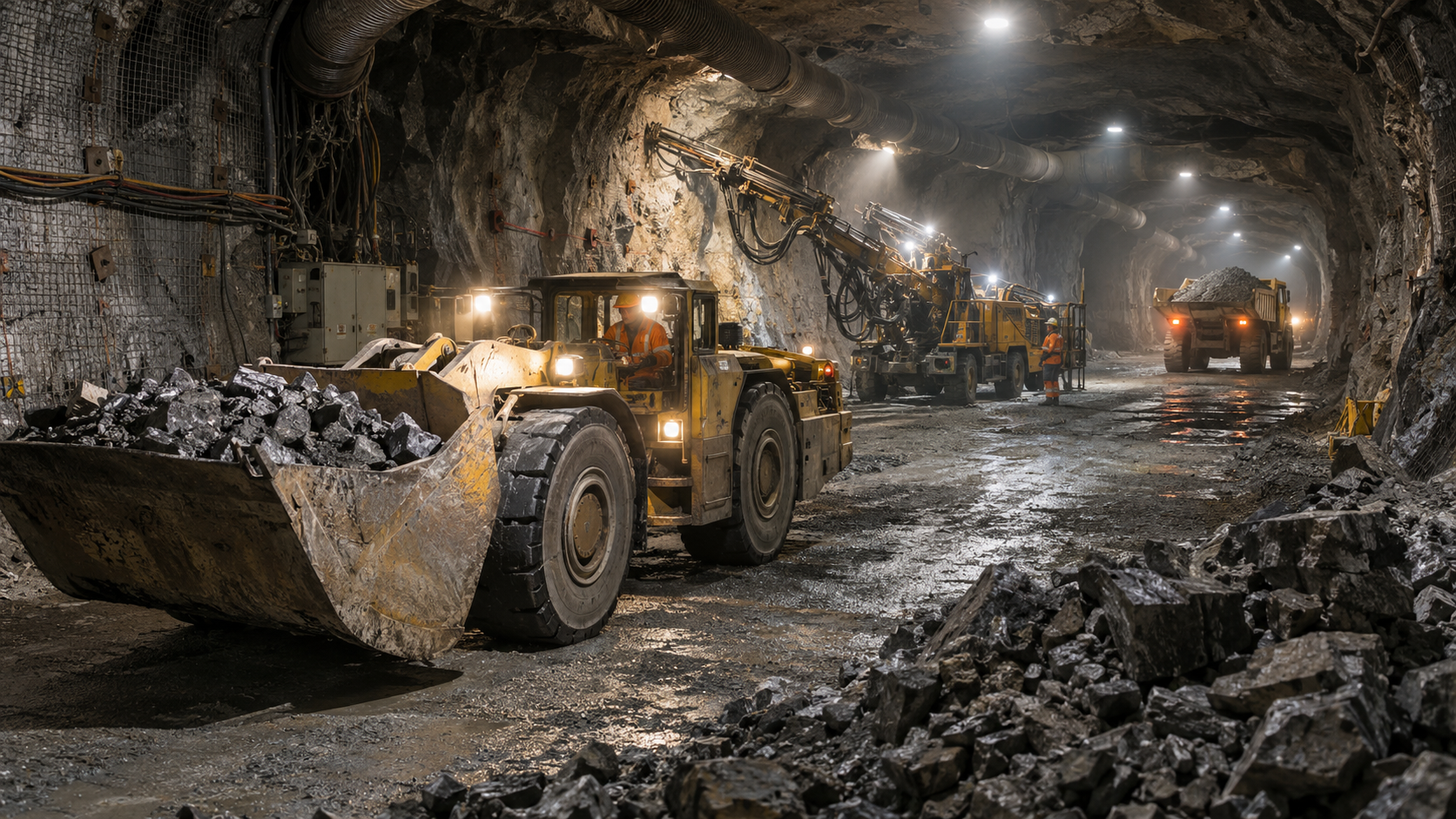
Underground mines present operating conditions that are very different from surface mining environments. Equipment must work within confined spaces while navigating tunnels, uneven surfaces, restricted clearances, and demanding production schedules.
The equipment needed varies according to the mining method, material being extracted, mine layout, and stage of development.
Common equipment categories may include drilling machines, loaders, haulage equipment, roof and ground support machinery, material handling systems, and specialized machines designed for underground excavation.
Because every operation has different production requirements, selecting equipment should begin with the needs of the mine rather than simply choosing the largest or most powerful machine available.
What to Evaluate Before Purchasing Underground Mining Equipment
An equipment acquisition can represent a significant investment, so careful planning should begin well before a purchase is finalized.
Mine Layout and Operating Environment
Machine dimensions and maneuverability are particularly important underground. Tunnel width, height restrictions, turning areas, grades, ground conditions, and travel distances can all influence equipment selection.
A machine that performs well at one operation may not be appropriate for another mine with narrower passages or different production conditions.
Before sourcing equipment, operators should clearly document their physical and operational requirements. Knowing these limitations early can reduce the risk of purchasing equipment that cannot be used efficiently at the site.
Production Requirements
Equipment should also match the amount of material the operation expects to move or process.
Consider factors such as:
- Required production capacity
- Expected operating hours
- Haul distances
- Loading and unloading cycles
- Material characteristics
- Shift schedules
- Planned mine expansion
Matching equipment capacity to actual production requirements helps avoid both underutilized machines and equipment that becomes a bottleneck.
Reliability and Equipment Condition
Downtime can quickly affect underground mining productivity. Reliability should therefore be evaluated alongside purchase price.
When reviewing a potential equipment acquisition, operators may want to consider machine condition, service history, hours of operation, component life, maintenance documentation, and parts availability.
A lower initial cost does not necessarily result in a lower total cost if the machine requires frequent repairs or extended downtime.
Important Types of Underground Mining Equipment
The exact equipment fleet depends on the mining method and operation, but several categories are commonly used throughout underground mining.
Drilling and Development Equipment
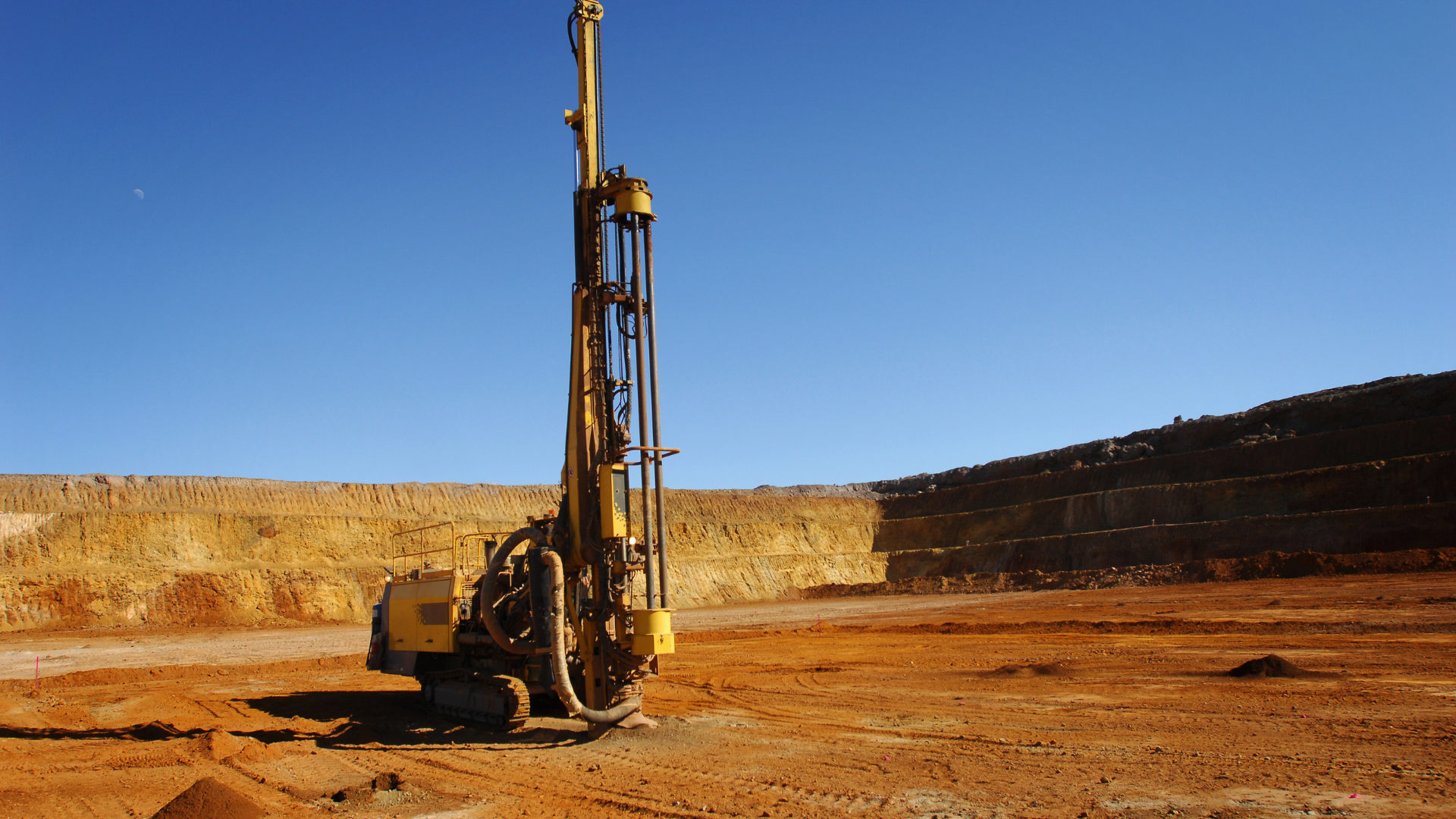
Drilling equipment is used during mine development and production to create openings or prepare rock for blasting and extraction.
Depending on the application, mines may use drilling jumbos and other specialized drilling machines designed to operate within underground headings.
Equipment selection should consider drilling requirements, available working space, rock conditions, and the planned development rate.
Loaders and Material Handling Equipment
Underground loaders are designed to collect and transport material through confined mine areas. These machines must combine loading capacity with maneuverability.
When evaluating loaders, operations should consider bucket capacity, machine dimensions, travel distances, power requirements, operator visibility, and compatibility with the mine layout.
Underground Haulage Equipment
Once material is loaded, it needs to move efficiently through the mine.
Underground haul trucks and other transportation systems are selected according to production volume, haul distance, grades, tunnel dimensions, and loading equipment.
Properly matching loading and hauling equipment can help create a more balanced production cycle.
Ground Support Equipment
Maintaining stable underground openings is essential to mine operations. Specialized equipment may be used to install bolts, mesh, and other ground support systems.
The appropriate equipment depends on mine conditions, tunnel dimensions, and the ground support methods being used.
Equipment Procurement Requires More Than Finding a Machine
Locating equipment is only one part of the acquisition process.
Mining companies must also determine whether the equipment fits the operation, whether the purchase can be completed within the required timeline, and how the acquisition will affect available capital.
This is where an experienced equipment procurement resource can be valuable.
The MEC Group, Inc. provides equipment procurement services for the mining industry, helping customers address equipment needs as part of the broader acquisition process.
A well-planned procurement strategy should consider the required machine, expected delivery timeline, budget, operational priorities, and available financing before a final commitment is made.
Buying Versus Financing or Leasing Mining Equipment
Paying cash for equipment is not always the most practical option for a mining operation.
Major equipment purchases can require substantial capital that may also be needed for payroll, maintenance, mine development, inventory, or other operating expenses.
Equipment Financing
Equipment financing can allow a company to acquire necessary machinery while spreading the cost over an agreed period.
Rather than committing a large amount of available cash to a single purchase, financing may help an operation preserve capital for other business needs.
The appropriate structure depends on the equipment, transaction size, company financial position, and other factors.
Equipment Leasing
Leasing may also be considered when an operation wants access to equipment without using the same amount of upfront capital that a direct purchase could require.
The benefits of a particular lease depend on its terms, expected equipment usage, and long-term plans.
Mining companies should review the financial structure carefully and consider how it fits their projected production and cash flow.
The MEC Group offers equipment financing and leasing services alongside its equipment procurement capabilities, allowing mining companies to consider both the equipment and the funding strategy involved in an acquisition.
Consider the Total Cost of Equipment Ownership
Purchase price is important, but it represents only one part of the financial picture.
Mining operators should also consider expenses that may continue throughout the life of the machine, including:
- Routine maintenance
- Replacement parts
- Fuel or energy use
- Labor
- Transportation
- Repairs
- Downtime
- Major component replacement
- Equipment storage and support
Looking at the total expected cost can provide a more useful comparison between equipment choices than purchase price alone.
An inexpensive machine that experiences frequent downtime may ultimately cost more than equipment with a higher initial acquisition price but stronger availability.
Protecting Working Capital During Equipment Expansion
Mining operations often need to invest in several areas at the same time. A company may be acquiring equipment while also funding mine development, staffing, repairs, or production growth.
Using too much working capital for machinery can reduce financial flexibility elsewhere in the operation.
The MEC Group also works with working and acquisition capital, giving mining businesses another area to consider when planning larger investments.
The goal should be to develop a funding strategy that supports the equipment requirement without unnecessarily limiting the company's ability to handle other operational priorities.
Questions to Ask Before Acquiring Mining Equipment
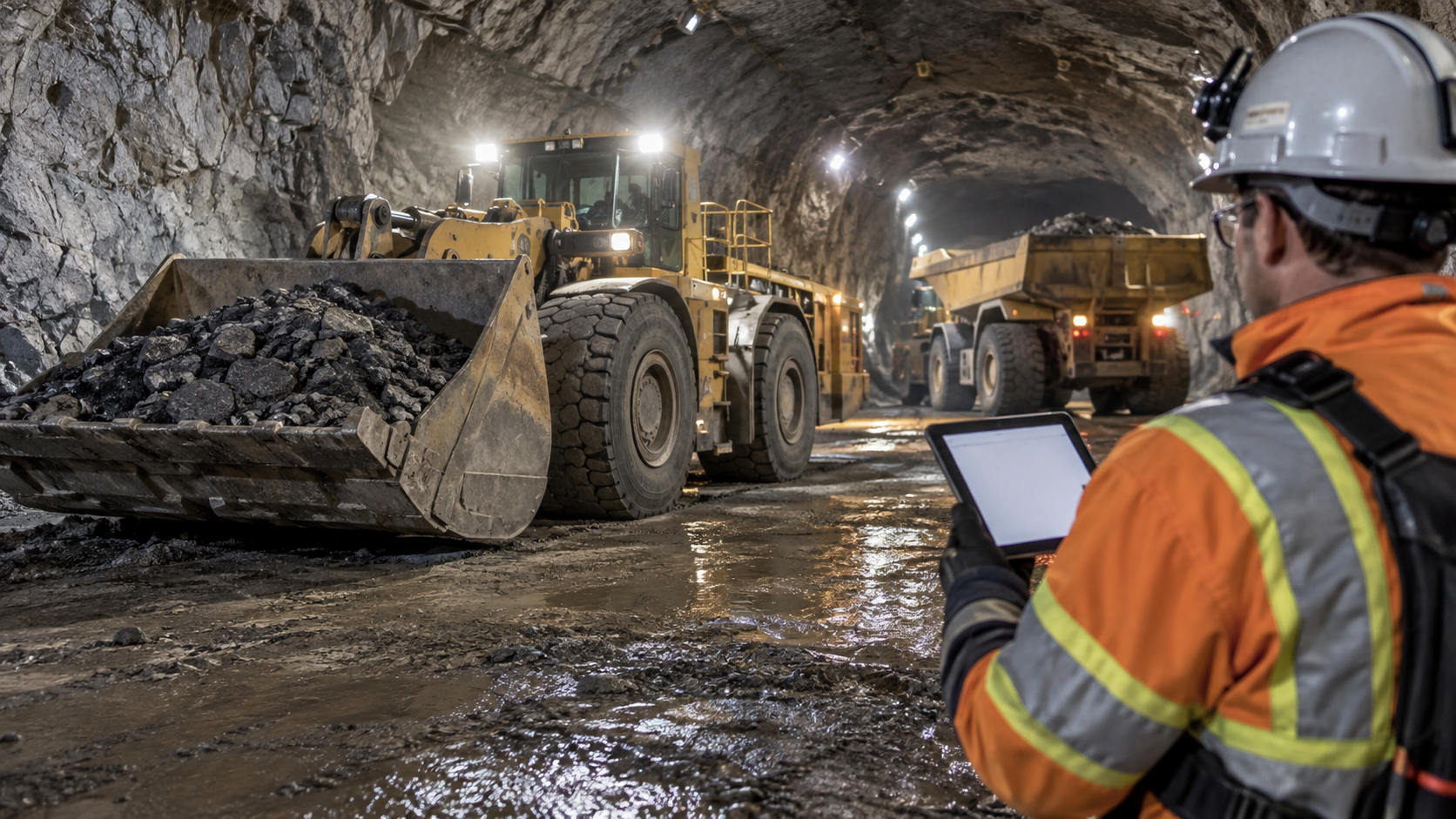
Before making a final decision, mining operators should have clear answers to several practical questions:
- What specific job will the equipment perform?
- Will it physically fit the underground environment?
- Does its capacity match production requirements?
- How frequently will the machine be used?
- What maintenance support will be required?
- Are replacement parts readily available?
- What is the expected operating life?
- How will the acquisition affect working capital?
- Would purchasing, financing, or leasing better support the operation?
- How quickly is the equipment needed?
Answering these questions early can make the procurement process more focused and help prevent costly mismatches.
Plan Your Underground Mining Equipment Acquisition With Confidence
The right underground mining equipment can support production, improve operational efficiency, and help a mining company prepare for changing equipment requirements. The key is evaluating the machine and the financial strategy together.
The MEC Group, Inc. has served the mining industry since 2010 and provides equipment procurement, equipment financing and leasing, and working and acquisition capital solutions for mining businesses.
If your operation is preparing to acquire underground mining equipment, contact The MEC Group, Inc. to discuss your equipment needs, procurement options, and available financing solutions.